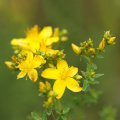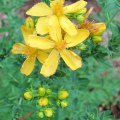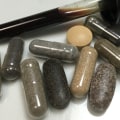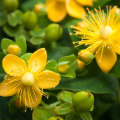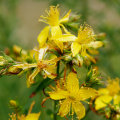
St. John's Wort, scientifically known as Hypericum perforatumHypericum perforatum, is a flowering plant that has captured the attention of herbalists and medical professionals alike for centuries. Traditionally used in various cultures, this herb has been recognized for its potential therapeutic properties, particularly in the realm of mental health. The name "St.
John's Wort" is derived from its historical association with the feast day of St. John the Baptist, which falls on June 24th, when the plant typically blooms. This timing has led to its use in folk medicine as a remedy for ailments that coincide with the summer season.Throughout history, St. John's Wort has been employed as a natural treatment for a variety of conditions, ranging from wounds and burns to mood disorders.
Ancient Greeks and Romans utilized it for its anti-inflammatory and antiseptic properties, while in medieval Europe, it was often prescribed for melancholia and other forms of depression. Today, it is primarily recognized for its potential benefits in treating mild to moderate depression, making it one of the most studied herbal supplements in modern times.The significance of St. John's Wort as a herbal supplement cannot be overstated. With a growing body of research supporting its efficacy, many individuals are turning to this natural alternative in search of relief from emotional distress without the side effects commonly associated with pharmaceutical antidepressants.
However, while the benefits of St. John's Wort are promising, it is essential to approach this supplement with caution and awareness of its potential risks and interactions with other medications.
The Benefits of St. John's Wort
St. John's Wort, scientifically known as Hypericum perforatum, has garnered attention for its potential health benefits, particularly in the realms of mental health and women's health.This herbal supplement has been utilized for centuries, and modern research continues to explore its efficacy.
St. John's Wort for Depression
One of the most well-documented benefits of St. John's Wort is its effectiveness in treating mild to moderate depression. Numerous studies have indicated that it can be as effective as some conventional antidepressants, with fewer side effects.A meta-analysis published in the Journal of Affective Disorders found that St. John's Wort significantly improved depressive symptoms compared to placebo treatments.The active compounds in St. John's Wort, particularly hyperforin, are believed to enhance serotonin levels in the brain, similar to how selective serotonin reuptake inhibitors (SSRIs) function. This mechanism may contribute to mood stabilization and an overall sense of well-being.
St.
John's Wort for MenopauseIn addition to its antidepressant properties, St. John's Wort has shown promise in alleviating symptoms associated with menopause. Many women experience mood swings, anxiety, and hot flashes during this transitional phase. Research suggests that St.
John's Wort may help mitigate these symptoms by balancing hormonal fluctuations and improving emotional stability.A study published in Menopause: The Journal of The North American Menopause Society reported that women taking St. John's Wort experienced a reduction in hot flashes and improved mood compared to those who received a placebo. While more extensive research is needed to fully understand its effects on menopausal symptoms, these findings are encouraging for women seeking natural alternatives.
Conclusion
While the potential benefits of St. John's Wort are promising, it is essential for individuals considering this supplement to consult with healthcare professionals, especially if they are currently taking other medications or have underlying health conditions.As with any treatment, a personalized approach is crucial for achieving the best outcomes.
How St. John's Wort Works
To understand the therapeutic effects of St. John's Wort, it is essential to delve into its active compounds, primarily hyperforin and hypericin. These components play a significant role in how this herbal supplement interacts with the body and contributes to its potential benefits.Active Ingredients in St.
John's Wort
Hyperforin
is one of the most studied compounds in St. John's Wort. It is believed to be responsible for many of the herb's antidepressant effects. Hyperforin acts by inhibiting the reuptake of neurotransmitters such as serotonin, dopamine, and norepinephrine in the brain.
This mechanism is similar to that of some conventional antidepressants, which can help elevate mood and alleviate symptoms of depression.Another critical component, hypericin , has been shown to possess antiviral and anti-inflammatory properties. While its exact role in treating depression is less clear than that of hyperforin, some studies suggest that hypericin may also contribute to mood enhancement by influencing neurotransmitter systems.
Mechanism of Action
The combined effects of hyperforin and hypericin create a multifaceted approach to mental health. By increasing the availability of neurotransmitters in the synaptic cleft, these compounds can help improve communication between neurons, which is often disrupted in individuals suffering from depression.Moreover, St. John's Wort may also exert its effects through modulation of the hypothalamic-pituitary-adrenal (HPA) axis, which plays a crucial role in stress response.By regulating this axis, St. John's Wort could potentially help mitigate stress-related symptoms that often accompany mood disorders.It is important to note that while these active ingredients show promise, the exact mechanisms are still being researched. The variability in individual responses to St. John's Wort can also be attributed to factors such as dosage, preparation methods, and individual biochemistry.In summary, understanding how St.
John's Wort works through its active ingredients like hyperforin and hypericin provides valuable insight into its potential benefits for mental health. However, further research is necessary to fully elucidate these mechanisms and their implications for therapeutic use.
Potential Risks and Side Effects
While St. John's Wort is often praised for its potential benefits, it is crucial to recognize the risks and side effects associated with its use. Understanding these factors can help individuals make informed decisions about whether to incorporate this supplement into their health regimen.Common Side Effects
St.John's Wort can lead to a variety of side effects, some of which may be mild while others can be more serious. Commonly reported side effects include:
- Gastrointestinal Issues: Users may experience symptoms such as nausea, diarrhea, or an upset stomach.
- Fatigue: Some individuals report feeling unusually tired or lethargic after taking the supplement.
- Dizziness: Dizziness or lightheadedness can occur, particularly when standing up quickly.
- Dry Mouth: A common complaint among users is a persistent dry mouth.
- Photosensitivity: St. John's Wort can increase sensitivity to sunlight, leading to a higher risk of sunburn.
- Sexual Dysfunction: Some users may experience changes in libido or sexual performance.
Serious Risks
In addition to common side effects, there are serious risks associated with St. John's Wort that warrant attention:- Mental Health Concerns: While it is often used to treat depression, St.
John's Wort may exacerbate anxiety in some individuals, leading to increased feelings of restlessness or agitation.
- Withdrawal Symptoms: Discontinuing St. John's Wort suddenly can lead to withdrawal symptoms, particularly in those who have been using it for an extended period.
Interactions with Medications
A significant concern regarding St. John's Wort is its potential interactions with various medications. It can affect how other drugs are metabolized in the body, leading to either increased side effects or decreased effectiveness of those medications.Some notable interactions include:
- Antidepressants: Combining St. John's Wort with other antidepressants can lead to serotonin syndrome, a potentially life-threatening condition characterized by confusion, rapid heart rate, and high blood pressure.
- Birth Control Pills: The effectiveness of hormonal contraceptives may be reduced when taken alongside St. John's Wort due to its impact on estrogen metabolism.
- Blood Thinners: St. John's Wort may decrease the effectiveness of anticoagulants like warfarin, increasing the risk of clotting issues.
- Cancer Medications: It can interfere with drugs used in chemotherapy by altering their absorption and effectiveness.
John's Wort to consult with a healthcare professional before starting supplementation. This ensures that they are fully aware of how it may affect their overall health and any existing treatment plans.
Who Should Avoid St. John's Wort?
While St. John's Wort is often touted for its potential benefits, it is crucial to recognize that not everyone should consider using this supplement.Certain populations may experience adverse effects or dangerous interactions with existing health conditions or medications. Below are key groups who should avoid St. John's Wort:
- Individuals with Anxiety Disorders: Although St. John's Wort is primarily used for depression, it can exacerbate anxiety symptoms in some individuals.
Those with generalized anxiety disorder, panic disorder, or other anxiety-related conditions should approach this supplement with caution.
- Pregnant and Breastfeeding Women: The safety of St. John's Wort during pregnancy and lactation has not been thoroughly studied. Therefore, it is advisable for pregnant or breastfeeding women to avoid this supplement to prevent any potential risks to the fetus or infant.
- People Taking Antidepressants: Combining St. John's Wort with prescription antidepressants can lead to a serious condition known as serotonin syndrome, which can be life-threatening.
This risk is particularly high for those taking selective serotonin reuptake inhibitors (SSRIs) or other serotonergic medications.
- Individuals on Birth Control: St. John's Wort can reduce the effectiveness of hormonal contraceptives by increasing the metabolism of estrogen in the liver. Women relying on birth control pills should consult their healthcare provider before using this supplement.
- Patients with Liver Conditions: Since St. John's Wort affects liver enzymes responsible for metabolizing various medications, individuals with liver diseases should avoid this supplement to prevent complications and ensure proper medication efficacy.
- Those Taking Blood Thinners: The interaction between St.
John's Wort and anticoagulants like warfarin can lead to decreased effectiveness of the blood thinner, increasing the risk of clotting issues.
Consulting Healthcare Professionals
When considering the addition of St. John's Wort to your health regimen, it is crucial to prioritize your safety and well-being by consulting with a healthcare professional.This step is particularly important for individuals who are currently taking medications or have pre-existing health conditions.Healthcare professionals, such as doctors or pharmacists, can provide personalized advice based on your unique health profile. They can help you understand how St. John's Wort may interact with any medications you are currently taking, as well as assess any potential risks associated with its use.
Why Consultation is Essential
- Medication Interactions: St. John's Wort is known to interact with a variety of medications, including antidepressants, anticoagulants, and birth control pills.
These interactions can lead to reduced effectiveness of your medications or increased side effects.
- Pre-existing Conditions: If you have a history of mental health issues, such as anxiety or bipolar disorder, it is especially important to discuss the use of St. John's Wort. While it may help some individuals with depression, it could exacerbate symptoms in others.
- Dosing and Quality: A healthcare provider can guide you on the appropriate dosage and help you choose high-quality supplements that are less likely to contain harmful additives or contaminants.
John's Wort, it is essential to consult with a healthcare professional. This proactive approach not only safeguards your health but also empowers you to make informed decisions about your wellness journey.
St. John's Wort in Popular Culture and Media
St. John's Wort has made its mark not only in the realm of herbal medicine but also in popular culture and media, shaping public perception and influencing how individuals view its benefits and risks.Over the years, various forms of media have highlighted this herb, often portraying it as a natural remedy for depression and anxiety.In television shows and movies, characters have been depicted using St. John's Wort as a means to cope with emotional struggles. These portrayals can create a sense of normalization around the use of herbal supplements, suggesting that they are a viable alternative to traditional pharmaceuticals. However, such representations can also oversimplify the complexities surrounding its efficacy and safety.Moreover, news articles and health blogs frequently discuss St.
John's Wort, often emphasizing its potential benefits for treating mild to moderate depression. This coverage can lead to increased interest among the public, prompting individuals to seek out St. John's Wort as a supplement. However, it is essential to note that while media coverage can raise awareness, it may not always provide a balanced view of the potential risks associated with its use.Social media platforms have further amplified discussions about St.
John's Wort, with influencers and wellness advocates sharing personal testimonials about their experiences with the herb. These narratives can significantly impact public perception, as individuals often trust peer recommendations over clinical studies. While personal stories can be powerful motivators for trying St. John's Wort, they may lack the scientific backing necessary for informed decision-making.Additionally, the portrayal of St.
John's Wort in popular culture can lead to misconceptions about its effects. For instance, some may believe that because it is "natural," it is entirely safe or free from side effects. This misunderstanding can be dangerous, especially for those who are already taking other medications that may interact negatively with St. John's Wort.In conclusion, while St.
John's Wort enjoys a prominent place in popular culture and media as a natural remedy for mental health issues, it is crucial for consumers to approach this supplement with caution. A well-rounded understanding of both its benefits and risks is essential for making informed choices regarding its use.
Frequently Asked Questions (FAQs)
As interest in St. John's Wort continues to grow, many individuals have questions and concerns about its use, effectiveness, and safety. Below are some of the most frequently asked questions regarding this herbal supplement.What is St.
John's Wort used for?St. John's Wort is primarily known for its potential benefits in treating mild to moderate depression. It has been used for centuries as a natural remedy and is believed to help improve mood and alleviate symptoms of anxiety. Additionally, some people use it to manage symptoms associated with menopause, such as mood swings and hot flashes.
Is St.
John's Wort safe to take?While many people find St. John's Wort beneficial, it is essential to approach its use with caution. The supplement can interact with various medications, including antidepressants, birth control pills, and blood thinners, potentially reducing their effectiveness or causing adverse effects. Therefore, consulting with a healthcare professional before starting St.
John's Wort is crucial, especially if you are taking other medications.
Can St. John's Wort cause side effects?
Like any supplement, St. John's Wort may cause side effects in some individuals. Common side effects include:- Upset stomach
- Dry mouth
- Dizziness
- Fatigue
- Increased sensitivity to sunlight
- Sexual dysfunction
How long does it take for St.
John's Wort to work?The time it takes for St. John's Wort to show effects can vary from person to person. Some individuals may notice improvements in their mood within a few weeks, while others may require several weeks of consistent use before experiencing benefits. It is important to be patient and give the supplement time to work.
Can I take St.
John's Wort with other supplements?Combining St. John's Wort with other supplements can be risky due to potential interactions. Always consult with a healthcare professional before mixing supplements to ensure safety and efficacy.In summary, while St. John's Wort may offer several benefits, it is essential to be informed about its potential risks and interactions with other medications or supplements.
Always prioritize your health by seeking professional advice before starting any new treatment regimen.
Conclusion: Weighing the Pros and Cons of St. John's Wort
In summary, the discussion surrounding St. John's Wort reveals a complex interplay of potential benefits and risks that individuals must carefully consider. As a natural supplement, it has garnered attention for its possible effectiveness in treating conditions such as mild to moderate depression and alleviating menopausal symptoms.However, the evidence supporting these claims is not universally accepted, and further research is necessary to fully understand its efficacy.One of the most significant advantages of St. John's Wort is its historical use as a remedy for depression. Numerous studies suggest that it may be comparable to traditional antidepressants for some individuals, particularly those experiencing less severe symptoms. This could provide an alternative for those who prefer natural treatments or who have had adverse reactions to pharmaceutical options.Nevertheless, the potential risks associated with St.
John's Wort cannot be overlooked. The interactions it may have with various medications pose serious concerns, especially for individuals on prescription drugs. For instance, its ability to affect the metabolism of medications like birth control pills and antidepressants can lead to decreased effectiveness or increased side effects. Therefore, it is crucial for anyone considering this supplement to consult with a healthcare professional.Moreover, while some users report positive outcomes, others may experience side effects such as gastrointestinal discomfort or heightened anxiety.
This variability underscores the importance of personalized healthcare approaches and the need for individuals to monitor their responses closely.Ultimately, making an informed decision about St. John's Wort involves weighing these pros and cons carefully. Individuals should consider their unique health circumstances, existing medications, and personal preferences when deciding whether to incorporate this supplement into their wellness routine. By doing so, they can better navigate the complexities of natural remedies and ensure that their choices align with their overall health goals.